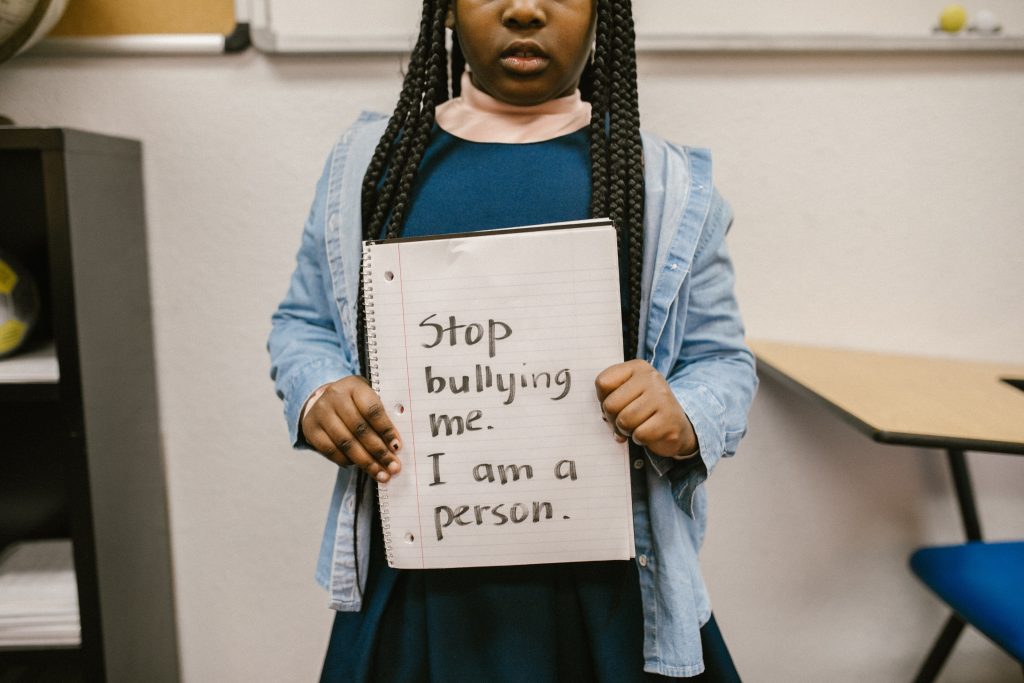
Adulting 101: Overcoming Bullying and Reclaiming Your Power
Dealing with bullying can be a distressing and traumatic experience, but as an adult, you have the ability to reclaim your power and overcome its impact. It’s important to prioritize your well-being and develop strategies to cope with and stop bullying. This guide aims to provide guidance on how to navigate the challenges of bullying and find empowerment on your journey.
Body:
1. Recognize the Bullying
Acknowledge and identify the bullying behaviors you are experiencing. Bullying can take various forms, including verbal, physical, or cyberbullying. Understand that bullying is about the bully’s issues and not a reflection of your worth.
2. Reach Out for Support
Seek support from trusted friends, family, or professionals who can provide empathy and guidance. Sharing your experiences with others can help alleviate the emotional burden and provide a network of support. Consider talking to a therapist or counselor who specializes in bullying-related issues.
3. Document and Report the Bullying
Keep a record of incidents, including dates, times, locations, and descriptions of the bullying episodes. This documentation can serve as evidence if you choose to report the bullying to the relevant authorities, such as school administrators, HR departments, or law enforcement. Reporting the bullying is a proactive step toward stopping it.
4. Establish Boundaries and Assert Yourself
Set clear boundaries and assertively communicate your limits to the bully. Firmly but calmly express your refusal to tolerate their behavior. Remember that you have the right to be treated with respect and dignity. Practice assertiveness techniques to strengthen your communication skills.
5. Build Self-Confidence
Focus on building your self-confidence and self-esteem. Engage in activities that bring you joy and boost your self-worth. Surround yourself with positive influences, cultivate self-compassion, and celebrate your strengths and achievements. Building confidence can help protect you from the negative effects of bullying.
6. Develop Coping Strategies
Explore healthy coping strategies to deal with the emotional impact of bullying. These may include mindfulness practices, journaling, physical exercise, engaging in hobbies, seeking creative outlets, or participating in support groups. Find strategies that resonate with you and help you process your emotions in a healthy manner.
7. Practice Self-Care and Well-Being
Prioritize self-care and well-being. Engage in activities that promote your mental, emotional, and physical health. Nurture yourself through adequate sleep, proper nutrition, and regular exercise. Seek professional support if needed to address the psychological impact of bullying.
Conclusion:
Overcoming bullying requires courage, resilience, and support. By recognizing the bullying, reaching out for support, documenting and reporting incidents, establishing boundaries, building self-confidence, developing coping strategies, and prioritizing self-care, you can reclaim your power and move forward on your journey toward healing and empowerment.
Remember: This is a general guide, and individual circumstances may vary. Trust your instincts and seek support from professionals or trusted individuals who can provide personalized guidance based on your unique situation.
Disclaimer: The advice provided in this blog is based on general knowledge and experiences. It is not intended to replace professional advice. If you are experiencing severe bullying or feel unsafe, reach out to appropriate authorities, school administrators, or helplines in your region for immediate assistance.
